
Skip to Content

Proposed Sonoma County Compost Facility
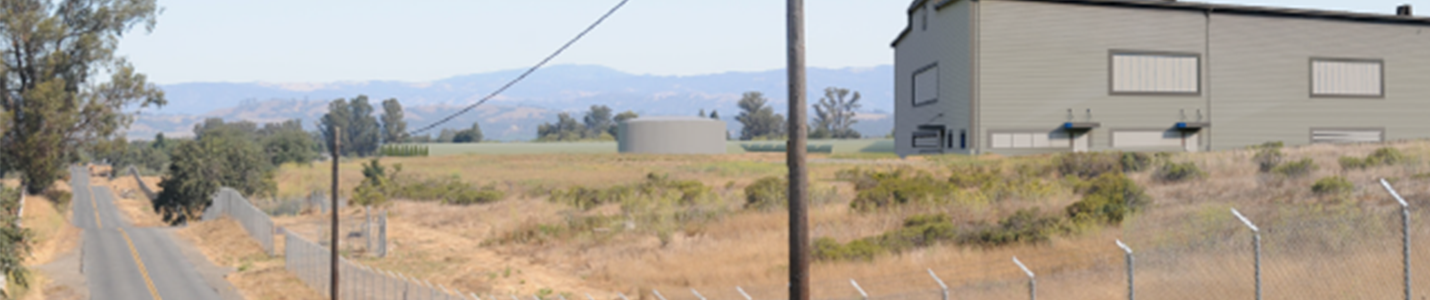
Image of a building on Slusser Road in Santa Rosa

Proposed Compost Facility at 5200 Slusser Road, Windsor

Sonoma County is considering a new compost facility at 5200 Slusser Road in Windsor, just west of the Charles M. Schulz - Sonoma County Airport. The facility would process household food scraps, yard trimmings, wood waste, and food-soiled paper collected in residential green bins and turn them into compost for local residents, farmers, and businesses.

The proposed facility could process up to 70,000 tons of material each year, or about 80% of the residential green bin material generated annually in Sonoma County.

Why Is This Project Needed?

State law requires organics recycling

California law requires residents and businesses to separate food scraps and yard waste into green bins. Recycling these materials helps reduce methane emissions from landfills.

Most of our compost leaves the County

Since 2015, nearly all of Sonoma County’s green bin material has been hauled to facilities outside the county, including to composting facilities in Novato and Ukiah. This increases truck traffic and greenhouse gas emissions, limits local access to compost, and leaves the County dependent on facilities outside the region.

TODAY, THIS MEANS:

  • More truck traffic
  • More greenhouse gas emissions
  • Less local access to compost
  • Dependence on facilities outside the region

CREATING A LOCAL COMPOST FACILITY ALLOWS US TO:

  • Reduce transportation impacts
  • Keep materials and finished compost local
  • Strengthen regional composting capacity
  • Support Sonoma County’s 5-year Strategic Plan

Where Would the Facility Be Located?

The proposed site is located at 5200 Slusser Road in Windsor on County-owned property, just to the west of the Charles M. Schulz - Sonoma County Airport. A portion of the proposed site was a former landfill that closed in 1971 and is now vacant and fenced.

A 2022 feasibility study found that about 15 acres of the former landfill could support composting operations. Additional buildings and infrastructure would be located immediately adjacent on County-owned land.

What Would the Facility Do?

The facility would:

  • Receive residential green bin materials
  • Process up to 70,000 tons per year of green materials
  • Produce about 130,000 cubic yards of finished compost annually
  • Make compost available locally, including public sales on Saturdays

The facility would not accept self-hauled material from the public.

How Would Composting Work?

PROPOSED COMPOSTING SYSTEM

  1. Receive materials inside an enclosed building.
  2. Screen and mix materials to prepare them for composting.
  3. Place materials in long rows over aeration pipes.
  4. Cover rows with a breathable GORE® fabric membrane.
  5. Allow naturally occurring microbes to break down the material.
  6. Screen and prepare finished compost for sale.
  7. Finished compost stored under cover.

COMPOSTING SYSTEM BENEFITS

  • Control odors
  • Reduce water use
  • Contain stormwater and leachate (water that contacts composting materials)
  • Speed up composting

California map

Project Status

The project team has completed early design work (30% design drawings), which show:

design drawings of a compost facility
    • Facility layout
    • Traffic circulation
    • Composting system configuration
    • Environmental protection features
design drawings of a compost facility

The project is still in early planning. The County has completed early design work, including 30% design drawings showing the proposed facility layout, traffic circulation, composting system, and environmental protection features.

The County expects to begin the California Environmental Quality Act (CEQA) review process in 2026. The CEQA process will include public notice, opportunities to comment on what should be studied, release of a draft environmental document, a public review and comment period on the draft environmental document, and public meetings before the Board of Supervisors.

No final decision has been made on the project, and public input will be an important part of the process.

FAQs


Learn More

Available Documents:

Additional documents will be posted as the project progresses.

Contact Us

We know we have a strong composting community in Sonoma County and we want to hear from you!

Email us at SPI-Compost@sonomacounty.gov with your questions or to ask to join our emailed community updates list.